 Women's Global Empowerment Fund
Why March 8th Matters
International Women’s Day, 2026
International Women’s Day (IWD) originated from 20th century global labour movements demanding fair wages, worker’s rights, and voting rights for women. The first IWD was held in 1911, with the UN formalizing the day in 1975.
Fast forward to current day, women from around the world are mobilizing and organizing calling for human rights, justice, equity, and an end to sexual violence and exploitation; challenging policies that create hunger, poverty, ongoing conflict and raising awareness of climate chaos, mass incarceration and other crisis that disproportionately and negatively impact women around the world. But this comes with great risk as authoritarian governments, increased militarization, and rolling back of women’s rights, create a new (or not so new) perilous paradigm.
One could suggest, that globally, we are at a consequential time in the search for equity, justice, and in some cases to just exist. Women and girls in Afghanistan are facing erasure from public life, the Epstein files have uncovered a global sexual violence and trafficking ring, and women in El Salvador continue to face imprisonment for gynecological emergencies and lack reproductive justice. In the US women face attacks on reproductive justice, equity, and even the right to vote.
All of these challenges make IWD on March 8th 2026, a moral imperative for all of us.
Inspiration and Outrage Across the Globe
IWD in Latin America is a major day of mobilization, marked by massive and defiant marches protesting the high rates of gender based violence, femicide, disappearance and the lack of reproductive justice. Hundreds of thousands of women and allies in Mexico City, Buenos Aires, and Santiago, take to the streets, often wearing purple or green to represent feminist mobilization.
Across the African continent women march, mobilize, organize and hold events to pushback on gender inequality, demanding access to land and property rights, education, healthcare and economic equity. In addition, there is a call for peace, and an end to regional conflicts where women are disproportionately impacted.
In Southeast Asia, activities highlight digital inclusion, economic empowerment, and the role of women in green economies. While, in the US, IWD is not widely celebrated, many organizations and activists participate and speak out in support of global sisterhood. This year’s theme is ‘Give To Gain,’ encouraging a mindset of generosity and collaboration.
Across the globe, and in virtually every country, women are pushing back and continue to fight for equality, security, economic opportunities, and a voice at the decision making table. In China they are gathering on the Great Wall, in Paris they are taking a boat down La Seine, millions of participants are demonstrating their solidarity with women survivors of violence, exploitation, war, standing strong for women all around the world.
On International Women’s Day, let’s celebrate the connection of all women to be empowered with agency and liberty, ensuring our collective voice demanding equality, human security, social justice and peace, is loud and clear. Let a global sisterhood create a call for action on March 8th and every day until all people are able to live with dignity and free from violence.
In solidarity,
Karen Sugar
Lecturer and Founder of Women’s Global Empowerment Fund
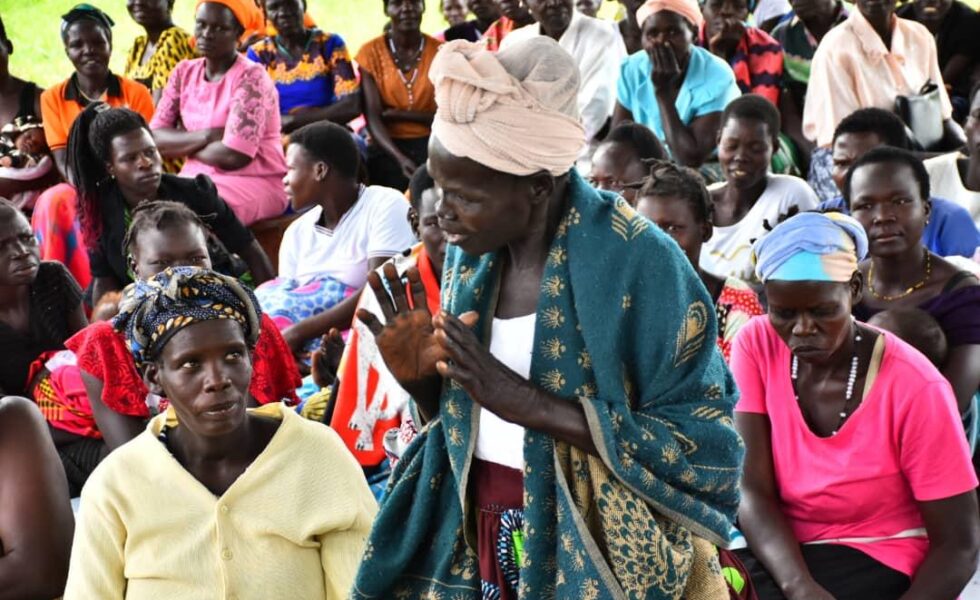
*As Founder and Director of Women’s Global Empowerment Fund, we are hosting community dialogues, marches and events across the northern region of Uganda. Celebrating women running for political office and leading in their communities. To learn more visit, www.wgefund.org
Today I’m challenged to be more determent and hardworking for my own empowerment If I and fellow women achieve that the world will be a better place for every one. Women Every Where Let us Celebrate Who We Are.
— WGEF member
**On March 12th, Karen Sugar, Lecturer and Executive Director of WGEF, will be the keynote speaker at Corteva Agriscience, marquee event for International Women’s Day. The theme for 2026 is Give to Gain, with 2026 being the UN Year of the Woman Farmer. This event will highlite the important work WGEF does supporting women farmers, women in agribusiness and local food economies in East Africa.
A Voice Behind the Walls
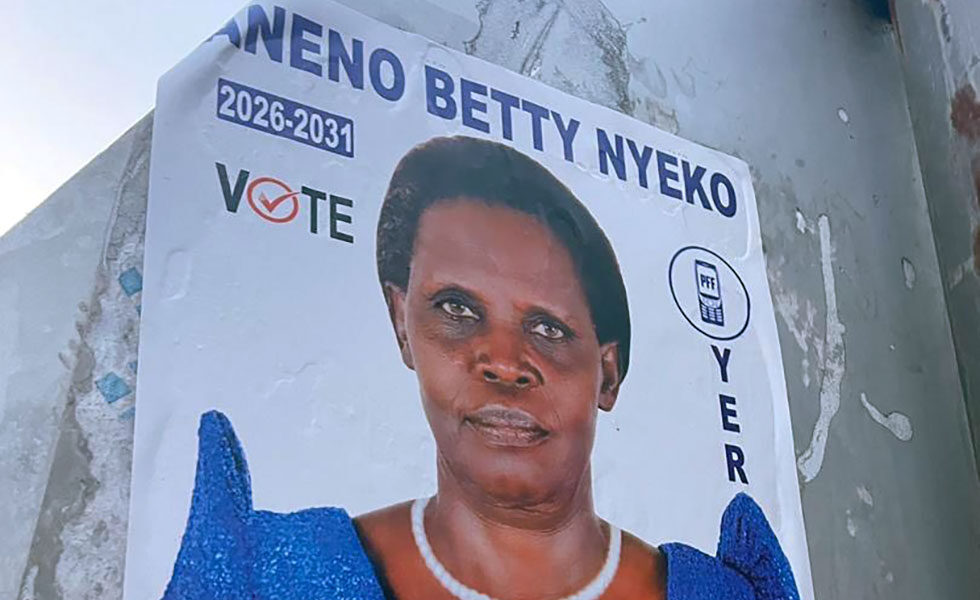
For years, Aneno Betty lived within the prison community as the wife of a prison warden. What she witnessed during that time changed her life forever.
Behind the high walls and locked gates, she met women who had spent years in detention without ever seeing a judge or having her day in court. Some had never even spoken to a lawyer. Their only crime was poverty, they could not afford legal representation. Many remained forgotten in the system, their cases unheard, their rights continually violated.
Beyond the injustice, Betty saw something even more heartbreaking. Women in prison lacked basic necessities including menstrual products and essential hygiene supplies. They endured their sentences in silence, stripped not only of freedom but of dignity. They had no platform to speak, no one to consistently amplify their concerns. The injustice was systemic. The silence was too loud.
Her life changed when she participated in leadership training at the Gulu Women’s Rights Centre (GWRC), where she connected with other women leaders and gained access to support networks, including pro bono legal services for incarcerated women. Through the training, she learned a deeper understanding of policy, advocacy, and the power of representation. It was there that her path became clear: she no longer wanted to help from the sidelines she wanted to influence the system itself.
Betty is now running for elected office, as Counselor of Women’s Prison, to represent and advocate for women in prison. She believes leadership is not about position, but about responsibility — the responsibility to speak where others cannot, and to act where others hesitate.
I have walked through the prison gates not as a visitor, but as a witness,” Betty says. “I have seen women lose years of their lives simply because they are poor. If given the mandate to lead, I will not sit comfortably in office I will carry their voices into every decision-making room until justice is no longer a privilege, but a right.
Aneno Betty’s leadership journey was born behind prison walls but her vision reaches far beyond them. She is not contesting for power; she is contesting for change. Every woman, even behind bars, deserves dignity.
Election Season, 2026
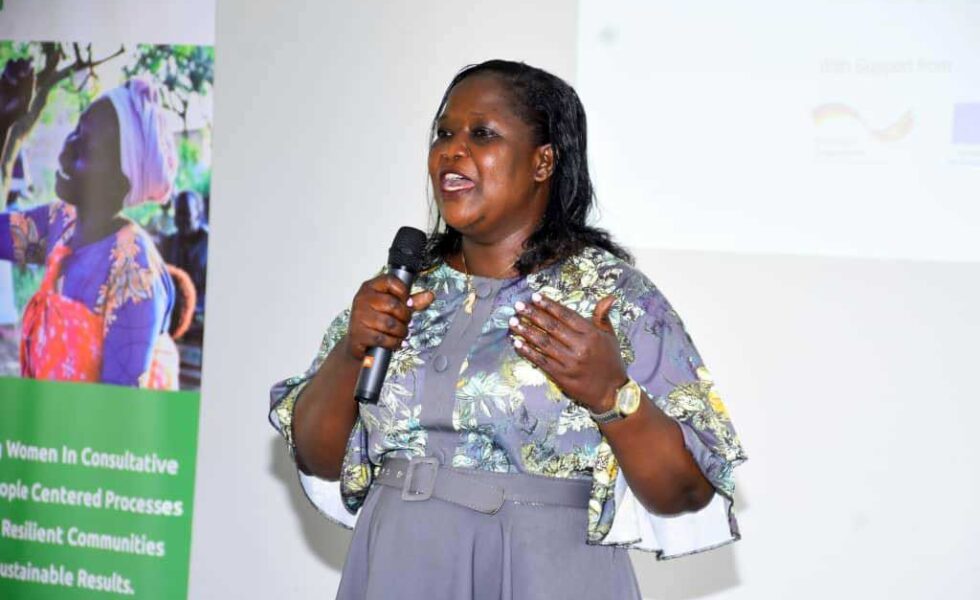
67 WGEF Leaders Running For Elected Office ~ Elevating Women’s Voices in Leadership and Governance!
As Uganda enters the political campaign and election season from 15th January to 26th March 2026, WGEF is proud to share a powerful milestone! This year, 67 women, supported through WGEF’s leadership development initiatives, are contesting for elected positions at a variety of levels, marking a significant step forward in women’s political participation and inclusive leadership!
Over the past year, WGEF has intentionally invested in training, mentoring, and supporting women leaders to confidently take their place at decision-making tables. Through leadership development, advocacy skills training, civic education, and peer mentorship, women have been equipped to engage meaningfully in governance processes, often for the first time.
Before the training, I never imagined myself standing for office. Today, I am confident to speak, to lead, and to represent my community,
shared one WGEF participant and aspiring councilor. Another woman leader noted:
WGEF helped us understand our rights, the laws, and how to engage constructively. Now our voices are no longer silent.
This moment represents courage, resilience, and a shift in long-standing gender norms that have historically excluded women from leadership and agency. These women are stepping forward to advocate for inclusive policies, justice, and peaceful, accountable governance.
Be inspired and support WGEF today ~ Only together, can we create a more equitable world!
Colorado Gives Day 2025
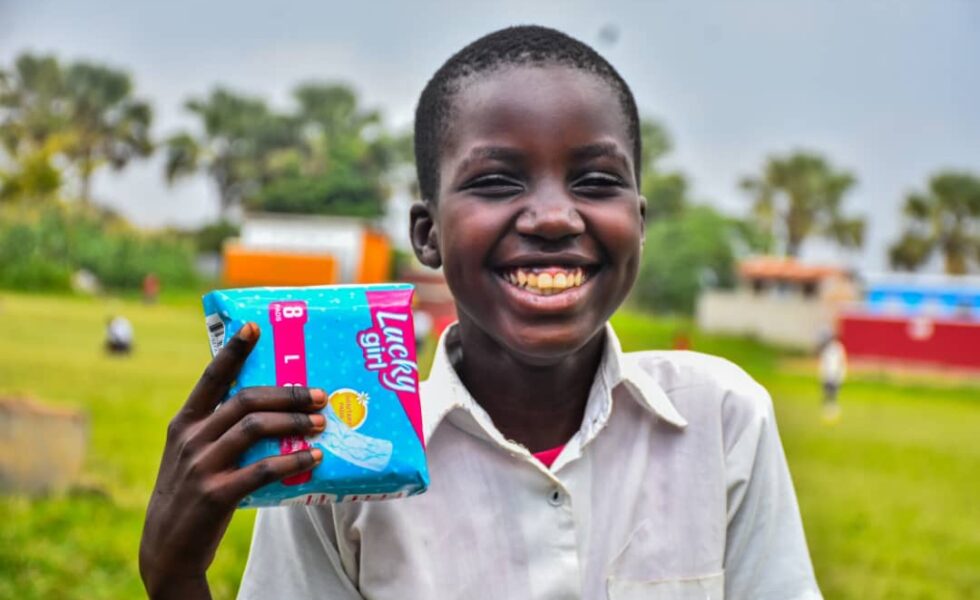
Your support helps to amplify women’s voices in one of the world’s most marginalized regions. Click below to donate now through December 9 for Colorado Gives Day.
2025 Annual Fund
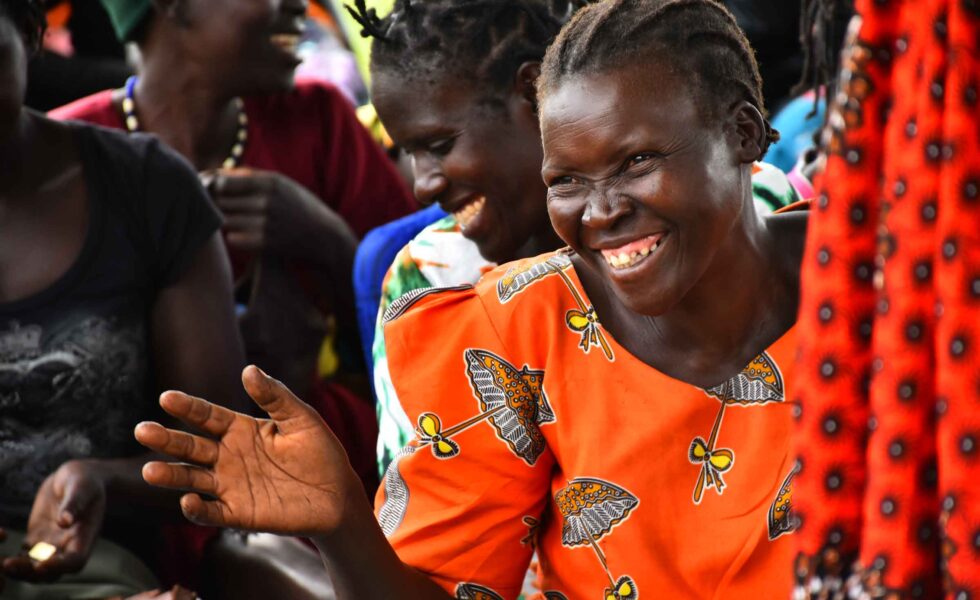
Stand with women and girls in uncertain times!
At a time of deep uncertainty and instability, we remain steadfast in our commitment to a world where women and girls have agency, and are educated, respected, and heard.
So Far in 2025
- Access to Justice Initiative: worked with 95+ cases.
- Healthy Periods Initiative (HPI): served 1500 girls and 626 boys.
- Agriculture Initiative: working with women farmers and women in agribusiness.
Member Spotlight
With support from the WGEF, Megan’s group is engaged in farming grains and vegetables; their success story is nothing short of inspiring!
Fighting for Every Child
When Ms. Harriet, a mother of one, separated with the father of her child, she was left to struggle alone because her ex-husband disowned her child. Desperate for justice and support, Harriet turned to Gulu Women’s Resource Centre Access to Justice office for help.
2024 Financials
- Programs: 92%
- Fundraising: 1.75%
- Admin: 6.75%